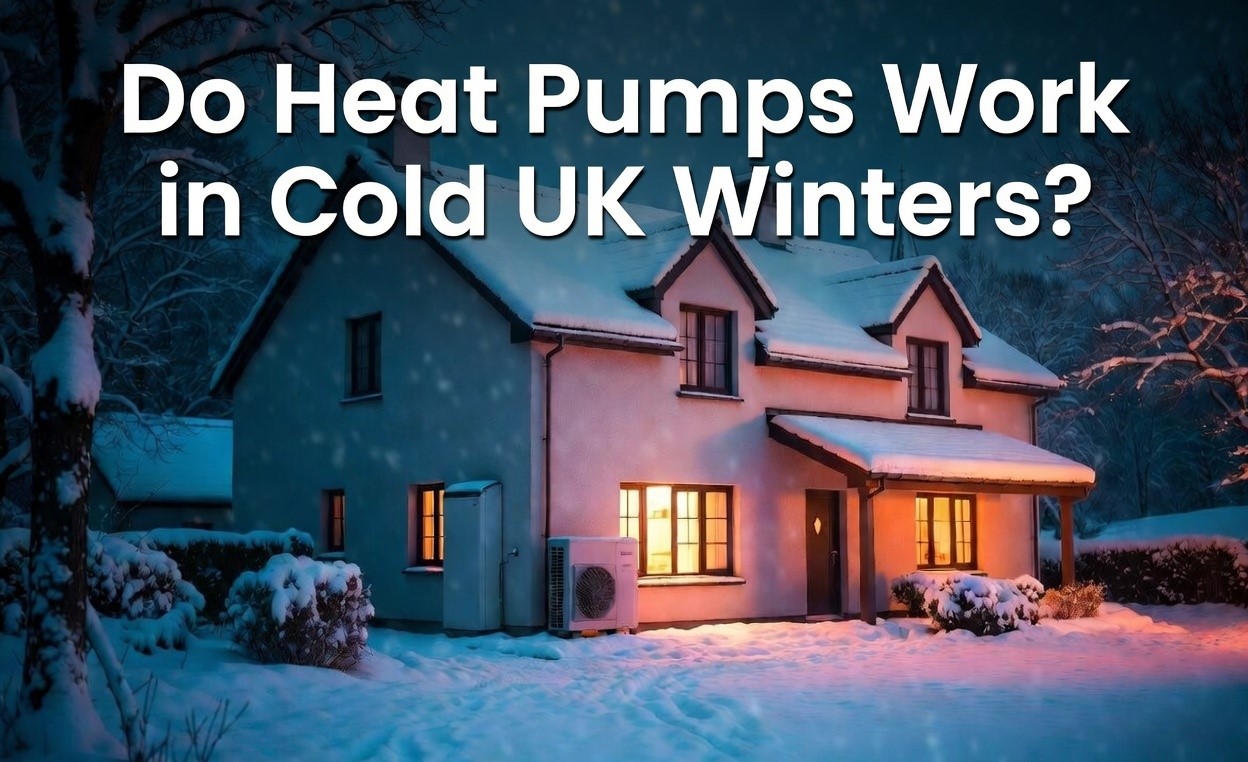
Do Heat Pumps Work in Cold UK Winters?

Boiler Service Brighton | Boiler Repair Brighton | Gas Engineer Brighton | Central Heating Services Brighton

The 2026 FAQ Guide for Homeowners

Introduction: Why This Information Matters

As energy bills rise and the UK pushes toward net-zero by 2050, thousands of homeowners are asking: do heat pumps work in cold UK winters? A 2024 survey found that over 40% of Britons believe heat pumps cannot handle freezing weather — yet Norway (winter average -6.8°C) has the world’s highest adoption rate, with 635 heat pumps per 1,000 homes. If they work in Scandinavia, they work in the UK.

This FAQ answers 21 common questions about cold-weather heat pump performance, running costs, insulation needs, and installation. Whether you are comparing a heat pump to a traditional gas boiler or searching for Boiler Service Brighton to maintain your existing system, this guide gives you the facts.

Key government resource: Boiler Upgrade Scheme – GOV.UK

Understanding Heat Pump Basics

 What exactly is a heat pump and how does it work?

A heat pump moves existing heat from outside air, ground, or water into your home. It uses a refrigerant with a boiling point near -50°C. Even in freezing air, that refrigerant evaporates, then a compressor raises the temperature to heat radiators and water. For every 1 unit of electricity, you get 3–4 units of heat (300–400% efficiency).

What is COP and SCOP?

  • COP (Coefficient of Performance) = efficiency at one temperature.

  • SCOP (Seasonal COP) = average efficiency over a full year.

Modern UK heat pumps achieve SCOP of 4.0+, meaning 400% annual efficiency.

Cold Weather Performance

Do heat pumps work below freezing?

Yes. Modern air source heat pumps operate down to -15°C to -25°C. UK winter averages 2°C to 7°C, so they are well within their comfort zone. The Energy Saving Trust confirms most models work fine down to -25°C.

How do they extract heat from cold air?

Even at -10°C, the air holds usable thermal energy. The refrigerant’s boiling point is much lower (-20°C or less), so it still evaporates and absorbs heat. Celsius is a human scale – absolute zero is -273°C, so there is always heat to move.

What is the defrost cycle?

When ice builds on the outdoor unit in damp, freezing weather, the heat pump automatically reverses refrigerant flow for a few minutes to melt the ice. An electric heating element at the base (activates below 2.5°C) prevents internal freezing. This is normal and does not cool your home.

Does efficiency drop in freezing conditions?

Yes, but every heating system works harder in a cold snap. At -10°C, a modern heat pump still achieves COP of 1.8–2.2 (180–220% efficiency). A gas boiler never exceeds 90%. UK government trials (Electrification of Heat Project) confirm heat pumps maintain high efficiency during the coldest days.

Can a heat pump provide hot water in winter?

Yes. Most systems heat water to 55°C–65°C, enough for showers and baths. Some use an immersion heater for occasional legionella cycles (60°C). The hot water cylinder is usually larger than a boiler cylinder because heat pumps work best with lower-temperature storage over longer periods.

Why are UK homeowners sceptical when Norway uses heat pumps everywhere?

Misinformation. Many think heat pumps fail below freezing – but Norway has 635 per 1,000 homes. Sweden and Finland also have >40% adoption. The UK has only 15 per 1,000. Scepticism is ironic because UK winters are far milder than Scandinavia’s.

What do UK field studies show?

  • Electrification of Heat Project: Heat pumps maintained high COP at -5.8°C to 2°C.

  • Energy Systems Catapult (UK government-backed): “Heat pumps still perform well whatever the weather.”

  • University of Salford Energy House 2.0: Stable indoor temperature at -10°C.

Costs, Savings & Financial Support

How much does a heat pump cost to install in the UK?

System Type Typical Cost
Air source heat pump £7,000 – £17,000
Ground source heat pump £14,000 – £45,000

A new gas boiler costs about £3,000 – cheaper upfront but with higher lifetime carbon and future gas price risk.

What grants are available?

The Boiler Upgrade Scheme (BUS) offers:

  • Air source heat pump: up to £7,500

  • Ground source: up to £7,500

  • Air-to-air: up to £2,500

Eligibility: homeowner, replace fossil fuel heating, use MCS-certified installer. The government allocated £295 million for 2025/2026.

Are heat pumps cheaper to run than gas boilers?

System Estimated Annual Cost
Gas boiler £688 – £820
Heat pump (standard tariff) ~£898
Heat pump (smart time-of-use tariff) Lower than gas

Switching from oil, LPG, or direct electric heating saves £1,800+ per year. Removing the gas standing charge saves another £120+. If you currently rely on a Gas Engineer Brighton to service an old boiler, the switch may pay for itself within a few years.

What maintenance does a heat pump need?

Annual service: £150–£300 (refrigerant check, coil cleaning, defrost test). No combustion, no carbon monoxide risk. By contrast, a gas boiler needs annual Boiler Service Brighton to remain safe and efficient. Heat pumps have a 15-20 year lifespan versus 10-15 for boilers.

Installation & Home Suitability

What makes a home suitable for a heat pump?

Three main factors:

  1. Insulation – Loft, cavity walls, double glazing reduce heat demand.

  2. Radiators – Larger surface area works best (underfloor heating is ideal).

  3. Outdoor space – For the external unit with good airflow.

Even Victorian terraces and solid-wall homes work if properly designed.

What insulation is needed?

The Boiler Upgrade Scheme requires an EPC with no outstanding loft or cavity wall insulation recommendations. Recommended: 270mm loft insulation, cavity wall fill, pipe insulation. Even if you keep your boiler, better insulation lowers bills. Many homeowners first get a Central Heating Services Brighton assessment to identify weak spots.

Why is correct sizing critical?

If a heat pump fails in winter, it is almost always poor design or undersizing – not the technology. A proper heat loss calculation (room by room) at -5°C is essential. Always use an MCS-certified installer. For comparison, a Gas Engineer Brighton can size a boiler using similar principles, but heat pumps need even more precision.

Can heat pumps go in older homes?

Yes. Many successful installations in Victorian, Edwardian and Georgian properties. You may need larger radiators or internal wall insulation, but it is entirely possible. The key is an installer who understands period buildings – not one who only works on new builds.

Practical Winter Tips

How to operate a heat pump during a cold snap?

  • Set and forget – constant temperature works better than on/off.

  • Avoid large setbacks – dropping 1-2°C overnight is fine; 10°C is not.

  • Clear snow from the outdoor unit.

  • Bleed radiators at the start of winter.

Unlike a boiler that you might call for Boiler Repair Brighton when it short-cycles, a heat pump is designed to run continuously.

Will ice stop my heat pump?

No. The automatic defrost cycle clears ice every few minutes. You may see steam rising – that is normal. The base heater prevents freezing down to -15°C.

Do I need a backup heating system?

For almost all UK homes, no. A correctly sized heat pump meets 100% of winter demand. Some homeowners keep their old boiler as a backup, but it is rarely needed.

Expert Insights & Fact-Checking

What do UK experts say?

  • Energy Saving Trust: “Remain operational down to -15°C… very well-suited to the UK.”

  • Energy Systems Catapult: “Still perform well whatever the weather.”

  • Imperial College London: Heat pumps meet UK winter heat demand.

Common myths – busted

Myth Fact
“Don’t work below freezing” Work to -25°C
“Only for new builds” Work in period homes
“Cost more to run” Comparable; cheaper on smart tariffs
“Can’t make hot water” 55-65°C easily

What does the science say?

The First Law of Thermodynamics: energy is moved, not created. Refrigerants evaporate at -20°C to -50°C. Compression raises temperature to 55°C+. Zero Celsius is not absolute zero (-273°C). There is always heat to extract.

Decision & Next Steps

Is a heat pump right for my home? Checklist

  • ✅ Current heating: oil, LPG, electric? → large savings.

  • ✅ Insulation: loft and cavity walls done? → better performance.

  • ✅ Radiators: older and small? → may need upgrading.

  • ✅ Outdoor space: available for the unit.

  • ✅ Budget: after £7,500 grant, net cost can be £0–£9,500.

  • ✅ Long-term plan: staying 10+ years? → strong payback.

If you are not ready for a heat pump, you can still reduce bills by ensuring your existing boiler is well maintained. A professional Boiler Service Brighton once a year improves efficiency and prevents breakdowns. Should your boiler fail in winter, a rapid Boiler Repair Brighton from a qualified Gas Engineer Brighton keeps your home warm. For full system checks, Central Heating Services Brighton providers can audit radiators, pipework, and controls.

Next steps to get a heat pump installed

  1. Check your EPC (free online).

  2. Find three MCS-certified installers.

  3. Apply for Boiler Upgrade Scheme (installer can help).

  4. Schedule installation (2–5 days).

  5. Learn to operate: constant temperature, minimal setbacks.

Where to find impartial advice

  • Energy Saving Trust – independent guidance

  • MCS – find certified installers

  • Ofgem – Boiler Upgrade Scheme rules

  • GOV.UK – official policy (link above)

Conclusion: Heat Pumps Are Ready for UK Winters

Modern heat pumps work efficiently in cold UK winters. They keep homes warm in Norway at -7°C, so the British winter (2°C to 7°C) is not a challenge. With the £7,500 Boiler Upgrade Scheme grant, falling electricity tariffs, and rising gas prices, the financial case improves every year.

Your next move: assess your home’s insulation, get an MCS-quoted installation, and stop worrying about freezing weather. And if you choose to keep your gas boiler for now, remember that regular Boiler Service Brighton, fast Boiler Repair Brighton, a trusted Gas Engineer Brighton, and comprehensive Central Heating Services Brighton will keep your home warm until you are ready to switch.

This guide was updated May 2026 using UK government data, field trials, and independent research.

Leave a Reply